
Emotions don’t just disappear when you push them down. They have a way of showing up in your body, your behavior, and your relationships.
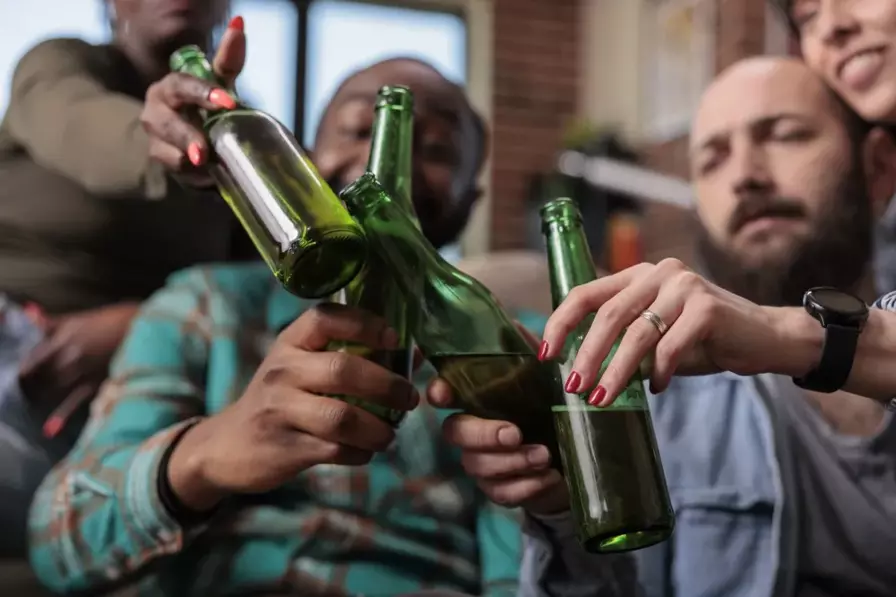
While having one to two drinks a day might seem harmless, daily alcohol consumption increases the risks of long-term health risks such as alcoholic liver disease, cancer, neurological complications, mental health issues, and addiction.

It’s not always easy to recognize when someone you care about is struggling. Many people hide their challenges well, but the earlier you spot the signs, the sooner you can help them find the support they need. If you’ve been worried about a friend, paying attention to subtle changes in their behavior can make all the difference. Here are five signs that may indicate someone is struggling and could benefit from professional help.

Florida is often called the “Recovery Capital” of the United States — and for good reason. With its unique climate, welcoming communities, and wide availability of care, the state has become a central hub for individuals seeking treatment and long-term recovery. But what makes Florida so different from other places? Let’s explore the key reasons and why Palm Beach Gardens, in particular, stands out.
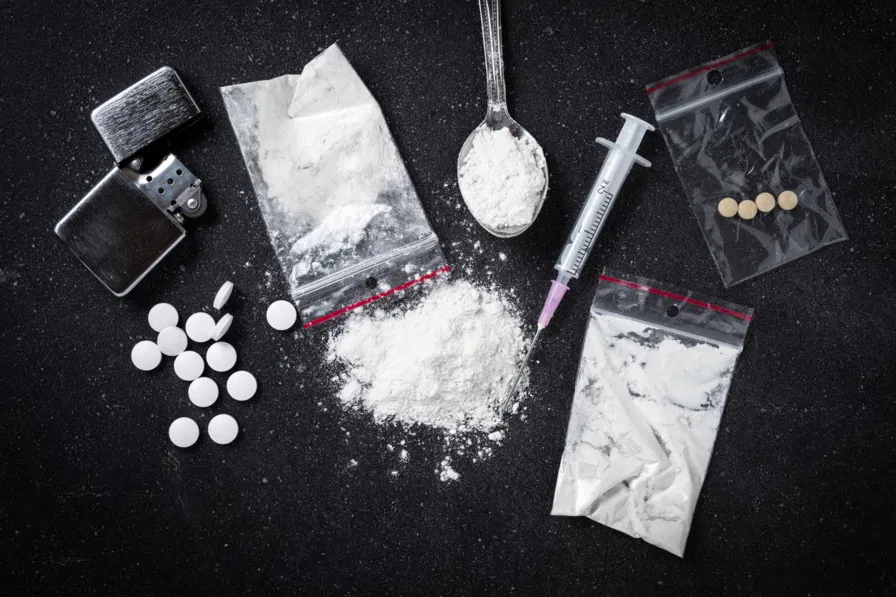
The medetomidine-fentanyl combo might sound like a controlled and calculated anesthetic plan, and in some veterinary cases, it is.

You might blame stress, mental health, pain, or just being around the wrong crowd. But the question lingers: can addiction be wired into your DNA?

When narcissistic traits and substance abuse collide, recovery gets more complicated.

Mixing marijuana and alcohol might feel like a buzz boost, but it often leads to blackouts, bad decisions, and long-term damage.

Mixing Suboxone and benzodiazepines might seem harmless, but the risks stack fast, often silently, even when taken as directed.
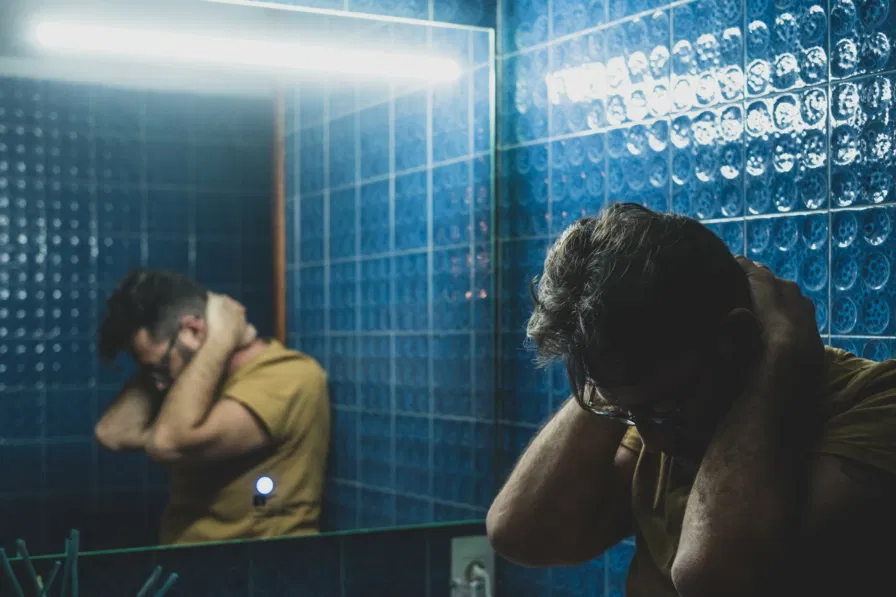
Not all mental health struggles come crashing in—some slip in quietly, changing your habits, energy, or mood before you even notice.

Quick Links
Connect With Us

© 2026 Palm Beach Gardens Recovery | All Rights Reserved | Privacy Policy | Sitemap
Website & Marketing by NetVisits