
Mindfulness and meditation therapy for substance abuse is an approach that integrates mindfulness practices and meditation techniques into the treatment of individuals struggling with addiction. These practices aim to cultivate self-awareness, reduce impulsivity, manage cravings, and enhance emotional regulation, providing individuals with valuable tools to support their recovery.
Mindfulness is about being fully present in the moment, without judgment or attachment to thoughts, feelings, or sensations. It’s a practice of paying attention to one’s thoughts, emotions, bodily sensations, and the surrounding environment in a non-reactive and accepting way. This approach encourages individuals to observe their experiences without getting entangled, fostering a sense of detachment from impulsive reactions and promoting a deeper understanding and acceptance of oneself.
In the Context of Substance Abuse Treatment, Mindfulness Helps Individuals:
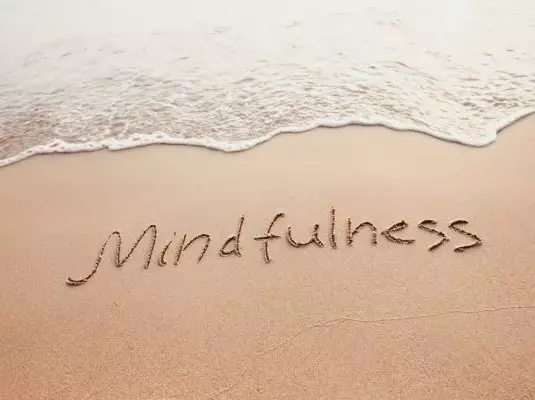
Meditation is a deliberate practice that involves focusing one’s attention and eliminating distractions to achieve a state of mental clarity, relaxation, and heightened awareness. There are various forms of meditation, such as focused attention meditation, loving-kindness meditation, and body scan meditation.
In the Context of Substance Abuse Treatment, Meditation Can Help:

Mindfulness and meditation therapy for substance abuse can be delivered through individual therapy, group sessions, or even as part of a holistic treatment program. The practices cultivate a mindful and non-judgmental attitude toward one’s experiences, empowering individuals to respond to cravings and triggers healthier and supporting their journey toward lasting recovery.