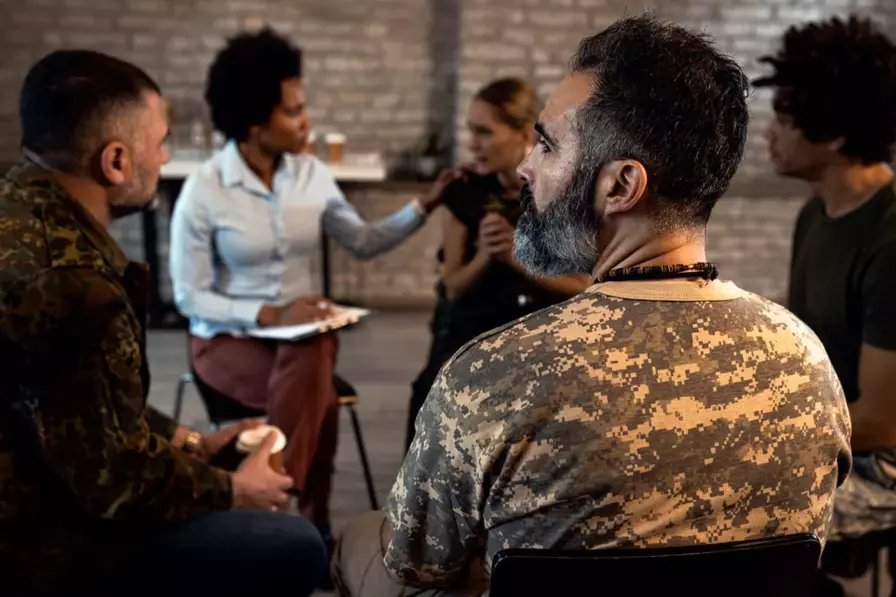
From the physical and psychological stress of combat to the challenges of reintegration into civilian life, these factors can contribute to substance abuse in the military. Addiction treatment centers play a significant role in providing support and resources for military members and veterans struggling with substance use disorders (SUDs).
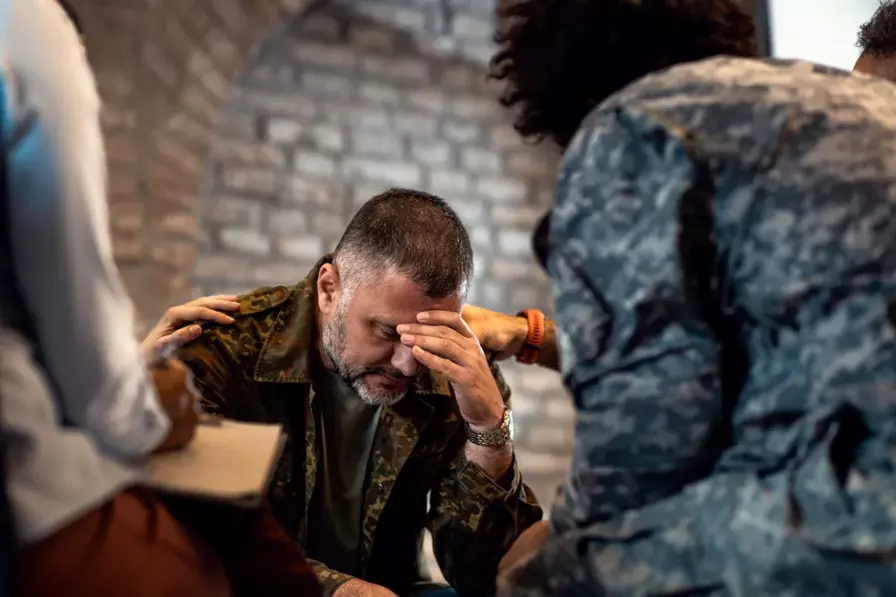
Substance abuse in the military, including prescription drugs, problematic drinking, smoking, and illicit drugs, is a widespread concern that remains underrepresented. This underrepresentation is often a result of the stigma associated with substance abuse and mental health in the military, deterring personnel from seeking and receiving treatment.

Drug and alcohol misuse can impact sailors' health and well-being, operational readiness, and overall morale. Navigating the battle of substance abuse in the Navy requires a comprehensive approach and an understanding of their unique challenges, including prolonged deployments, mental health issues, and cultural norms.

The holidays can be an overwhelming time of the year, presenting many emotional and physical triggers for those in recovery from alcohol. While labeled a time of joy and celebration, this season is often accompanied by high expectations
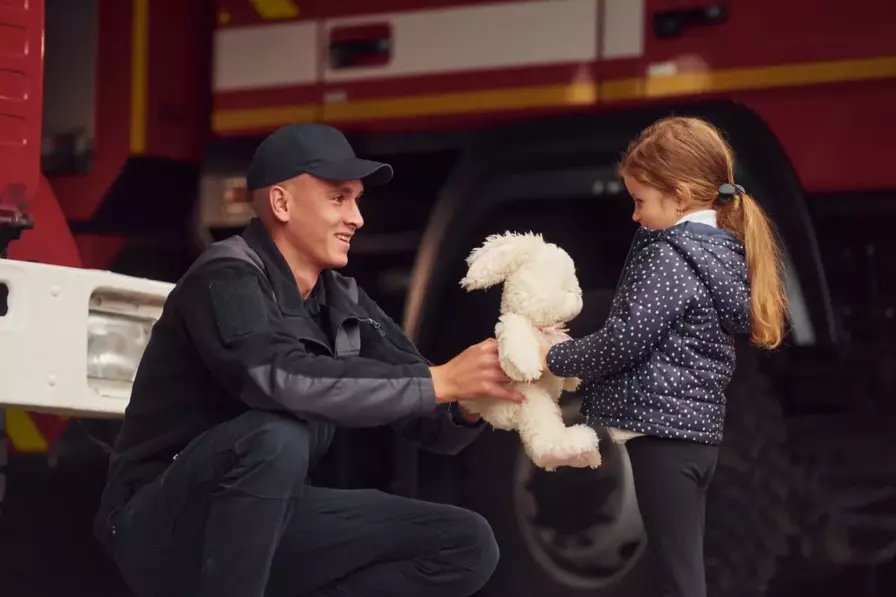
First responders, such as firefighters, police officers, paramedics, and correctional officers, face daily physical and emotional challenges. While others enjoy holiday festivities and family time, emergency responders remain on duty when faced with trauma exposure, heightened stress, and busy, inconvenient schedules.

While the holiday season can be a joyous time filled with family, gifts, and celebrations, it can also strain mental and emotional well-being. For veterans, celebrating the holidays, reconnecting with loved ones, and coping with distressing memories can evoke complex emotions. Establishing how to cope and maintain emotional well-being can allow veterans to find peace and comfort this holiday season.
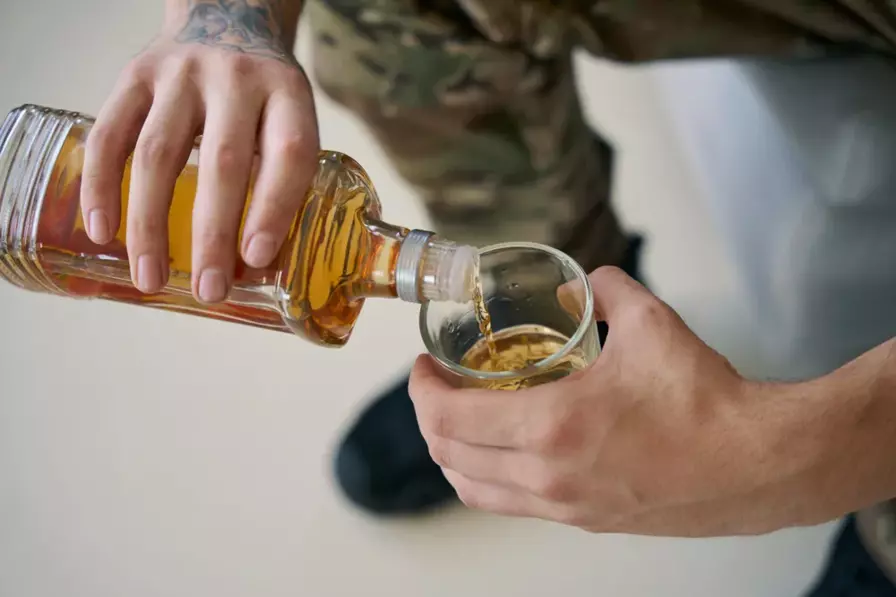
Military culture often involves rigorous demands, high levels of stress, and a sense of camaraderie, which may sometimes include alcohol use. Problematic drinking among service members can result in physical, social, and psychological challenges that not only impact the individual but also affect the unit and the broader military system as a whole.
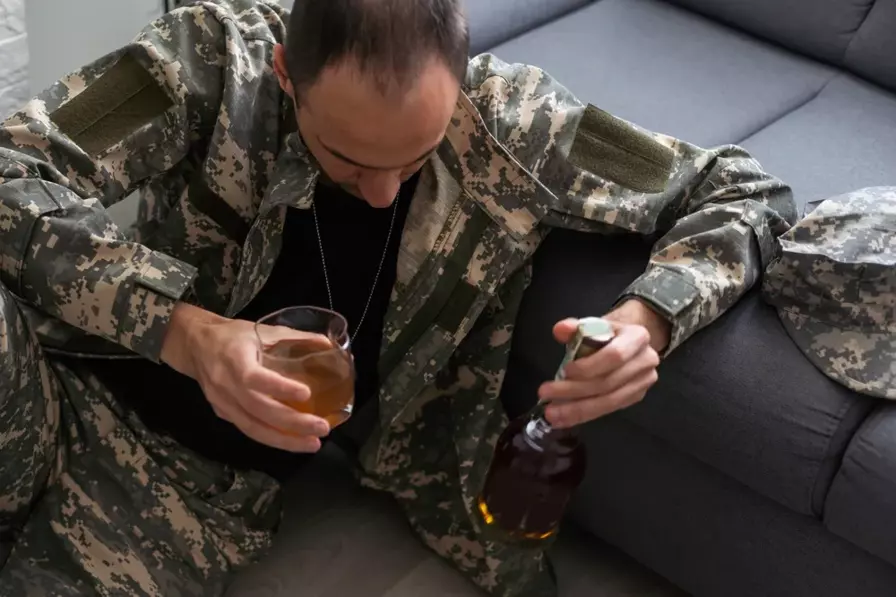
Veterans often face a significant amount of challenges after serving in the military, including physical injuries, trauma, and even substance abuse. When emotional trauma is left untreated, this can cause veterans to self-medicate with alcohol, recreational substances, or prescription drugs, potentially leading to addiction.
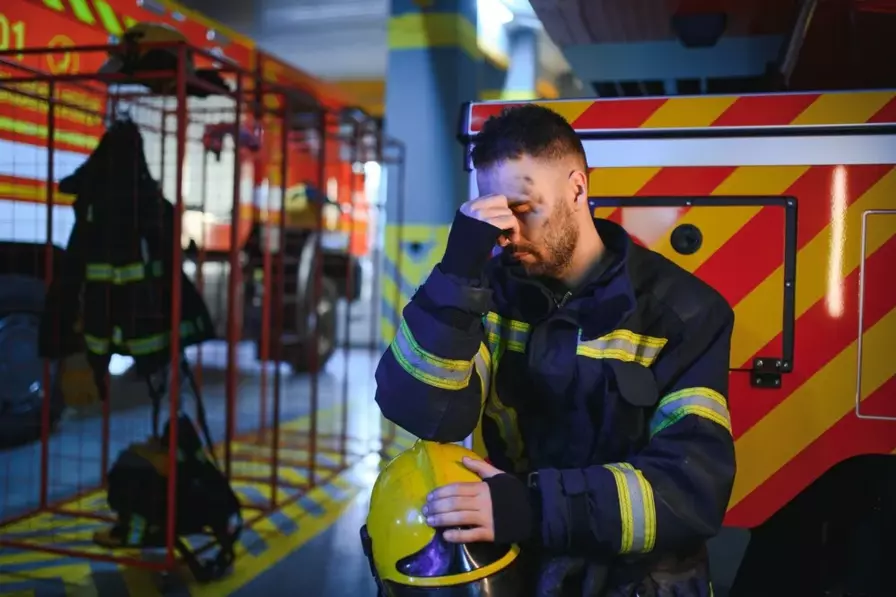
Our first responders are often renowned as heroes for the selflessness and bravery they display daily. Yet behind the scenes, many of these emergency personnel face silent battles with their mental health, particularly post-traumatic stress disorder (PTSD. From facing high-risk situations to witnessing tragic accidents, the psychological impact of their work can be immense.
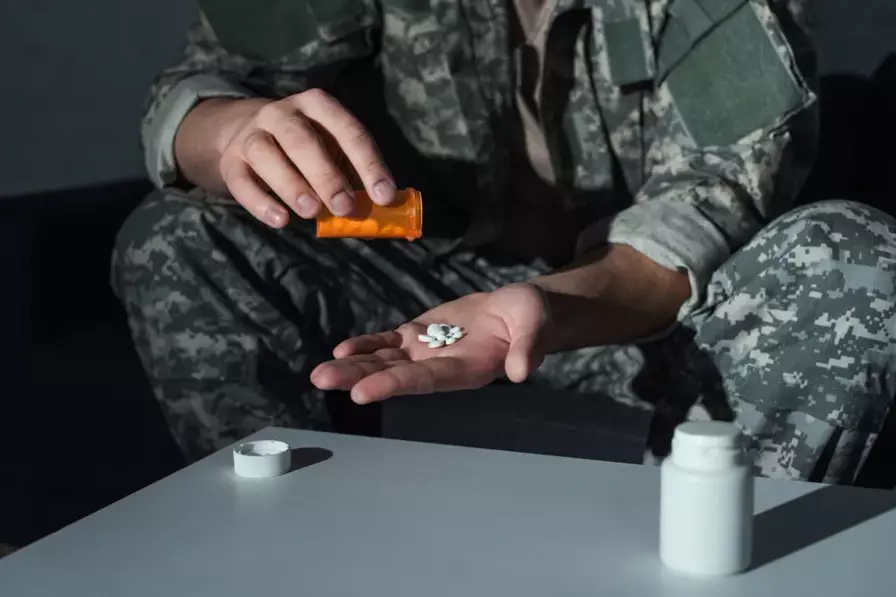
The misuse of prescription medications in the United States is a growing concern, especially among active-duty military personnel and veterans. When service members rely on prescription drugs for pain management or emotional relief, this can lead to dependence and addiction, affecting their overall health and performance.

Quick Links
Connect With Us

© 2026 Palm Beach Gardens Recovery | All Rights Reserved | Privacy Policy | Sitemap
Website & Marketing by NetVisits